

How to Prevent Home Burglary - Okey DoKey Locksmith Houston
Home burglary prevention starts with making your property a less attractive target. Unlocked doors, poorly secured windows, dark entryways, overgrown landscaping, and obvious signs that nobody is home can all create unnecessary security weaknesses. A few practical improvements can make it more difficult for someone to enter unnoticed.
You do not need to turn your house into a fortress. Start by identifying the weakest points around your home, improving your exterior doors and locks, securing accessible windows and sliding doors, and developing everyday habits that reduce opportunities for burglary. The original guide focuses on locks, doors, windows, garages, lighting, occupancy, and neighborhood awareness.
Contents
Survey Your Home

A good place to begin is outside. Walk around your property and look at it from the perspective of someone trying to approach the house without being noticed. The original guide recommends checking landscaping, lighting, doors, windows, and possible hiding places around the property.
Pay particular attention to:
- Exterior doors that do not close or lock securely.
- Windows that are frequently left unlocked.
- Bushes or shrubs that block the view of doors and windows.
- Dark entrances, side doors, garages, and walkways.
- Damaged locks, strike plates, frames, or door hardware.
- Ladders, tools, or other items left outside that could create additional security problems.
Trim landscaping where necessary so that entrances and accessible windows remain visible. Exterior lighting can also improve visibility around doors, garages, and other areas where someone might otherwise approach unnoticed.
Improve Exterior Door Locks
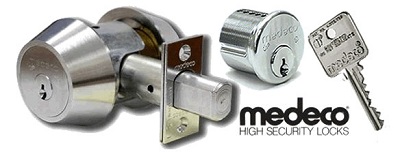
A strong exterior door is only as effective as its locking hardware. The original guide specifically recommends deadbolts for exterior doors rather than relying entirely on spring-latch locks.
Inspect each exterior door to make sure the lock operates properly and the door closes firmly against the frame. A quality deadbolt lock can provide additional resistance against forced entry when it is correctly matched to the door and frame.
The strike plate and door frame matter too. Even a good lock provides limited protection when it is installed on a badly damaged or weakened door frame.
If your locks are damaged, unreliable, or no longer appropriate for the door, consider a professional lock change. Changing or rekeying locks should also be considered after moving into a home or when keys have been lost and you no longer know who may have access.
Most importantly, use the locks you have. Expensive hardware cannot protect an exterior door that is routinely left unlocked.
Secure Exterior Doors
Check the complete door assembly rather than focusing only on the lock. Exterior doors should be sturdy, fit their frames correctly, and close without excessive movement or gaps.
Inspect the door for:
- A weak or damaged frame.
- A loose strike plate.
- Damaged hinges or hardware.
- Glass positioned close to the locking hardware.
- A door that no longer closes or latches correctly.
Doors with glass panels require additional consideration because breaking the glass may provide access to hardware on the interior side. The appropriate solution depends on the door design, applicable safety requirements, and how occupants need to exit the home during an emergency.
For that reason, avoid making security changes that could interfere with safe emergency egress. A locksmith can evaluate the existing door and recommend hardware that improves security without creating an unnecessary exit hazard.
Keep the Garage Secure
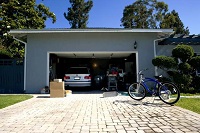
An open garage can expose bicycles, tools, lawn equipment, vehicles, and other property that would otherwise be out of sight. The original guide therefore emphasizes keeping garage doors closed and locked when they are not being used.
If your garage is attached to the house, pay particular attention to the door between the garage and home. Treat it as an important entry point and make sure its lock and door hardware are functioning correctly.
Avoid leaving garage remotes, spare house keys, or other access devices where they can easily be taken from an unattended vehicle.
Secure Sliding Glass Doors
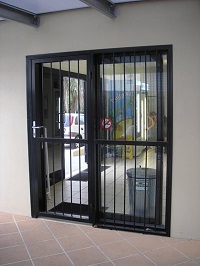
Sliding patio doors deserve their own security check. Inspect the existing latch, frame, track, and door alignment. A poorly adjusted sliding door may not lock securely even when the latch appears to be engaged.
Depending on the design, additional sliding-door security hardware can provide another layer of protection. Options may include security bars, auxiliary locks, or manufacturer-approved locking devices.
The original guide recommended supplementary pins for sliding doors. Modern doors vary considerably, however, so any additional hardware should be appropriate for the particular door and should not prevent occupants from opening an emergency exit when necessary.
Secure Your Windows
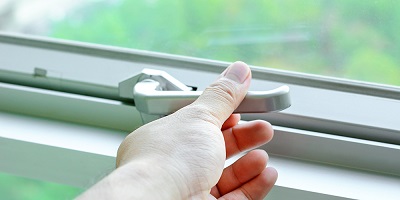
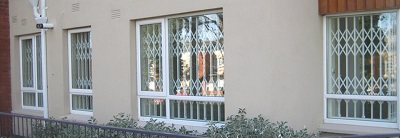
Accessible windows are another area worth inspecting, particularly windows on the ground floor or near porches, roofs, fire escapes, or other areas that make them easier to reach.
Check that each window closes completely and that its existing lock actually holds it securely. Broken or worn window locks should be repaired or replaced.
Additional window security devices may be appropriate depending on the type of window, but they should be selected carefully. Bedroom windows and other required emergency exits must remain usable for safe emergency escape.
The original article similarly emphasizes keeping windows secured rather than routinely leaving accessible windows open and unlocked.
Make Your Home Look Occupied
A house that obviously appears empty for an extended period can attract unwanted attention. The original guide recommends maintaining signs of normal activity when residents are away.
Instead of leaving the same light on continuously, consider timers or smart lighting that can turn selected lights on and off at appropriate times. Keep exterior lighting functioning and avoid creating obvious signs that the property has been unattended for days.
Mail, packages, newspapers, overflowing trash, and neglected landscaping can all signal a prolonged absence. Arrange for someone you trust to handle these items when you are away.
Secure Your Home While Away
Before leaving for a vacation or extended trip, perform a final security check of the property.
- Lock exterior doors and accessible windows.
- Close and secure the garage.
- Arrange for mail and packages to be collected or held.
- Ask a trusted neighbor, friend, or family member to keep an eye on the property.
- Arrange lawn, snow, or other exterior maintenance when appropriate.
- Use lighting timers to maintain some normal activity inside the home.
- Avoid leaving spare keys in obvious outdoor hiding places.
The original guide also suggests contacting local law enforcement before an extended absence because some departments may offer vacation checks or similar programs. Availability depends on the local agency.
Work With Your Neighbors
Neighbors can be an important part of home security because they are often the first people to notice unusual activity around a property.
Neighborhood watch programs organize residents to pay attention to suspicious activity and report concerns to the appropriate authorities. The goal is observation and communication—not confrontation. The original article likewise recommends neighborhood cooperation and reporting suspicious activity to law enforcement.
Even without a formal program, knowing a few trusted neighbors can be useful when you travel, receive unexpected deliveries, or need someone to notice whether something around your home appears unusual.
Everyday Home Security Habits
Many useful burglary-prevention measures are simple habits rather than expensive equipment. The original guide emphasizes controlling access to the home, protecting keys, verifying unexpected visitors, and keeping valuables secure.
- Lock doors and accessible windows when leaving home.
- Do not hide spare keys under mats, planters, or other obvious locations.
- Use a door peephole, camera, or other safe method to identify unexpected visitors before opening the door.
- Verify unexpected contractors, repair workers, or service providers before allowing access.
- Do not attach your home address to a set of house keys.
- Keep valuable property out of obvious view from exterior windows.
- Do not advertise an extended absence publicly while the house is empty.
- Periodically inspect locks, doors, windows, lighting, and other security hardware.
When Should You Change Your Home Locks?
Burglary prevention also means controlling who has working keys to your property. Consider changing or rekeying the locks when you move into a new home, lose a key, experience a break-in, or discover that someone who should no longer have access may still possess a key.
If a lock or door was damaged during an attempted break-in, inspect both the locking hardware and the door frame. Replacing only the lock may not correct damage to the rest of the door assembly.
Home Burglary Prevention FAQ
What is the most important step for preventing home burglary?
There is no single measure that prevents every burglary. A stronger approach combines secure doors and windows, reliable locks, exterior visibility, lighting, key control, and consistent habits such as locking the house when you leave.
Should exterior doors have deadbolts?
A properly installed deadbolt can add security to an exterior door. The effectiveness of the lock also depends on the strength and condition of the door, frame, strike plate, and installation.
Should I change the locks after moving into a new house?
It is generally a good idea when you cannot account for every existing key. Previous owners, tenants, contractors, cleaners, or other people may have received copies in the past. Depending on the existing hardware, either changing the locks or rekeying them may restore key control.
Where should I hide a spare house key?
Avoid predictable outdoor hiding places. A trusted person or an appropriate secure access solution is preferable to leaving a key somewhere that can easily be discovered around the entrance.
Do lights help prevent burglary?
Exterior lighting can improve visibility around entrances and reduce dark areas where someone could approach unnoticed. When you are away, interior lighting on timers can also help avoid making the house appear continuously vacant.
What should I do after losing my house keys?
If the keys cannot be recovered and they could potentially be associated with your home, consider changing or rekeying the affected locks. If you are currently unable to enter the property, see our house lockout information.
