

Tax Deducted Security - Okey DoKey Locksmith
A home security system can help protect your property, but that does not automatically make it a tax-deductible expense. For most homeowners, security equipment installed strictly for personal use is generally a personal expense rather than a business deduction.
The situation may be different when part of the home qualifies for business use. If you operate a qualifying home office or another business space from your property, a portion of certain security expenses may potentially be treated as a business-related expense. Eligibility depends on how the property and security system are used and on current tax rules.
Because tax rules can change and individual circumstances differ, this page provides general information rather than tax advice. Always verify current requirements with the IRS or a qualified tax professional before claiming a deduction.
Contents
Is a Home Security System Tax Deductible?
If a security system protects only your personal residence, its cost is generally considered a personal household expense. Simply installing alarms, cameras, locks, or other security equipment at your home does not by itself turn those expenses into a tax deduction.
However, a different question arises when you operate a business from your home and the property contains space that qualifies for business use. In that situation, security expenses associated with protecting the business portion of the property may potentially be relevant when calculating allowable business expenses.
Home Security & the Home Office Deduction
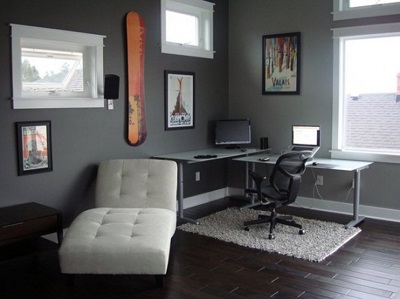
A security system that protects a qualifying home office may have both a personal and a business-related purpose. That distinction is important because the entire security expense should not automatically be treated as a business expense simply because someone works from home.
For example, if the same security system protects your entire house as well as a qualifying business area, only the appropriate business portion may potentially be considered. A system installed exclusively for a separate qualifying business structure may be treated differently from a system protecting the entire residence.
Before considering the security expense itself, you first need to determine whether the workspace meets the applicable requirements for business use of the home.
When Does a Home Office Qualify?
The IRS has specific requirements governing business use of a home. Merely answering emails from the kitchen table or occasionally bringing work home does not necessarily make part of the residence a qualifying home office.
Depending on the circumstances, qualifying business use can include situations such as:
- A separate structure used for business.
A detached studio, workshop, office, or other structure may potentially qualify when it is used in connection with the taxpayer's trade or business and the applicable requirements are met. - Space used as the principal place of business.
Part of the home may qualify when it serves as the principal place where qualifying business activities are conducted. - Space used to meet clients, patients, or customers.
A portion of the home may potentially qualify when it is regularly used for business meetings with patients, clients, or customers and the applicable requirements are satisfied.
Some business uses, including certain daycare and storage situations, can be subject to different rules. Do not assume that the same home-office requirements apply identically to every business.
What Does Regular & Exclusive Business Use Mean?
One of the important concepts associated with many home-office deductions is regular and exclusive use.
Regular use generally means the area is used on an ongoing basis as part of the business rather than merely occasionally or incidentally.
Exclusive use generally means the particular area is devoted to business rather than being routinely shared with personal activities. For example, a room functioning as both a family room and occasional workspace would ordinarily present a different situation from an office maintained specifically for business.
A dedicated room can make the distinction easy to understand, but a qualifying workspace does not necessarily have to be an entire room. The important question is whether the particular portion of the home satisfies the applicable tax requirements.
There are also exceptions to the exclusive-use requirement for certain qualifying activities, so eligibility should be determined using the current IRS rules rather than relying on the phrase alone.
Deducting the Business Portion of Home Security
If a security system protects both personal and qualifying business portions of a home, the entire cost should not automatically be treated as a business expense.
Instead, an appropriate portion may potentially be allocated to the qualifying business use. How that amount is determined depends on the nature of the expense, the business use of the property, and the tax method being used.
For example, when an expense applies to the entire house, the calculation may involve the percentage of the home devoted to qualifying business use. Expenses that relate directly and exclusively to the business area can be treated differently from expenses benefiting the entire property.
Because allocation and deduction rules can become complicated, particularly for equipment purchases and improvements, consult a tax professional before deciding how a security-system expense should be classified.
What Security Expenses May Be Relevant?
Depending on the business and property, security-related expenses could involve more than a conventional alarm system. A business may use equipment or services such as:
- Security alarm equipment
- Alarm monitoring services
- Security cameras
- Access-control equipment
- Door and window security hardware
- Locks and related business security improvements
Whether a particular expense is deductible—and whether it is deducted immediately, allocated, depreciated, or treated another way—is a tax question that depends on the specific circumstances.
If your business security needs include replacing compromised or inadequate door hardware, a lock change may also form part of a broader security upgrade. Keep business invoices and receipts so the purpose and cost of the work can be documented.
Keep Records of Security Expenses
Good documentation is particularly important when an expense has both business and personal use. Keep invoices, receipts, contracts, monitoring statements, and records showing when equipment was purchased or installed.
If only part of the security expense is associated with a qualifying business area, maintain documentation supporting the method used to determine the business portion.
Records are also useful when security hardware is installed as part of a larger renovation or property improvement because different expenses may receive different tax treatment.
Home Security Tax Deduction FAQ
Can I deduct my home alarm system on my taxes?
A security system used solely to protect a personal residence generally should not be assumed to be deductible. A qualifying business use of the home can create a different situation in which an appropriate portion of security expenses may potentially be considered.
Can I deduct the entire security system if I work from home?
Not simply because you work from home. The workspace must meet applicable requirements, and a security system protecting the entire residence may involve both personal and business use.
Does my home office have to be a separate room?
Not necessarily. Depending on the applicable rules, a clearly identifiable portion of a room may qualify. However, many home-office situations require the area to be used regularly and exclusively for business.
Can security cameras be a business expense?
Potentially, when they have a legitimate qualifying business purpose. Cameras protecting an entire personal residence should not automatically be treated as a fully deductible business expense simply because a home office is located inside the property.
Are new business locks tax deductible?
Locks purchased or installed for a business may potentially constitute a business-related expense, but their exact tax treatment depends on the circumstances. Keep the invoice and ask your tax professional how the expense should be classified.
What if my security system protects both my house and home office?
The expense may need to be divided between its personal and qualifying business use rather than deducting the entire amount. The appropriate calculation depends on the circumstances and current tax rules.
Should I claim the deduction myself?
Review the current IRS requirements carefully. If you are uncertain whether your workspace qualifies or how a security expense should be allocated, consult a qualified tax professional before claiming the deduction.
