

My Car Wont Start - What To Do? - Okey DoKey Locksmith
There are many reasons why a car won't start. The problem may be as simple as an empty fuel tank, weak key-fob battery, or discharged car battery, or it may involve the starter, ignition system, fuel system, electrical system, or engine components.
The way the vehicle behaves when you try to start it provides useful clues. A car that does not crank at all has a different set of likely problems from an engine that cranks normally but refuses to start. Clicking noises, warning lights, and whether the dashboard lights operate can also help narrow down the cause.
This guide covers the common reasons a car won't start, what different starting symptoms can indicate, and when the problem may involve your car key or ignition system.
Contents
What to Check When Your Car Won't Start
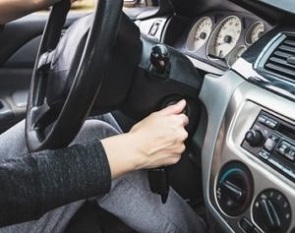
Before assuming that the engine has a serious problem, pay attention to exactly what happens when you try to start the vehicle.
Ask a few basic questions. Does the engine crank? Do you hear a clicking noise? Do the dashboard lights come on? Does the key turn normally? Is a security or key warning displayed? Does the vehicle have enough fuel?
These symptoms can help separate a battery or starter problem from a fuel, ignition, key, or engine-management problem.
If the vehicle uses a manual transmission, make sure the clutch is fully depressed. With an automatic transmission, make sure the brake is depressed and the transmission is in Park or Neutral as required by the vehicle.
Battery & Electrical Problems
Battery and electrical problems are among the most common reasons a vehicle fails to start. The starter motor requires considerably more electrical power than dashboard lights and other small accessories.
Dead or Weak Car Battery
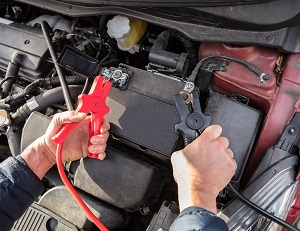
A dead car battery can prevent the starter from cranking the engine. A battery may become discharged because of age, an electrical load left on while the vehicle was parked, charging-system problems, or other electrical issues.
A weak battery may still have enough power to illuminate the dashboard or headlights while being unable to provide the much larger current required by the starter.
If jump-starting the vehicle allows it to start, the battery or charging system should be checked rather than assuming the battery itself is necessarily the only problem.
Corroded Battery Terminals
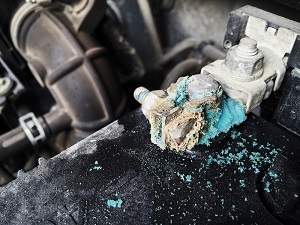
Corrosion around the battery terminals can interfere with electrical current flowing between the battery and vehicle.
Loose, dirty, or badly corroded connections can cause starting problems even when the battery itself still has power. Battery cables and terminals should be inspected for corrosion, looseness, and physical damage.
Broken or Loose Battery Connection
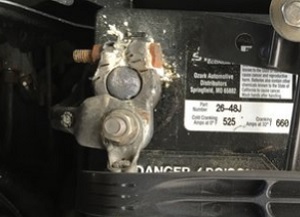
A damaged terminal, broken cable, or loose connection can prevent sufficient current from reaching the starter. Depending on the condition of the connection, the vehicle may have intermittent electrical power, produce a clicking noise, or appear completely dead.
Faulty Alternator

The alternator charges the battery while the engine is running. If the charging system fails, the vehicle may continue operating temporarily from stored battery power until the battery becomes discharged.
A vehicle that repeatedly needs a jump start may therefore have a battery problem, charging-system problem, or electrical fault that requires diagnosis.
Electrical System Problems
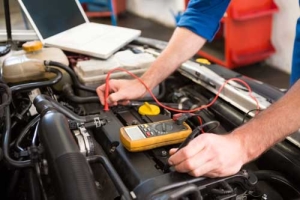
A starting problem can also involve wiring, fuses, relays, sensors, connections, or an electronic control module. Modern vehicles rely on multiple interconnected electrical systems, so proper diagnosis may require reading stored diagnostic information.
Possible electrical causes include:
- Loose or damaged wiring
- Corroded electrical connections
- Faulty battery cables
- Blown fuses or defective relays
- Charging-system problems
- Sensor or control-module faults
Key, Fob & Immobilizer Problems
On modern vehicles, starting the engine requires more than having a blade that physically turns the ignition. The vehicle may also need to electronically recognize the key, transponder, or smart key.
Dead Key Fob Battery
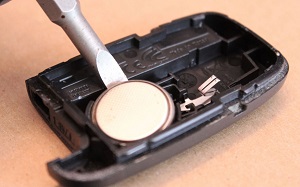
Vehicles with smart key and proximity systems depend on electronic communication between the vehicle and key.
If the fob battery becomes weak, normal remote or proximity functions may stop working correctly. Many vehicles provide a backup procedure for recognizing the key when its battery is weak, but the exact procedure depends on the vehicle.
If the remote has stopped working, see what is a key fob for more information about key-fob batteries and electronic keys.
Wrong or Unrecognized Car Key
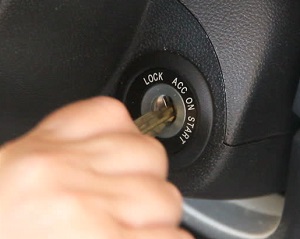
A mechanical key may fit or even turn an ignition without being electronically authorized to start the vehicle.
Vehicles equipped with an immobilizer can require a recognized transponder key. If the transponder is incorrect, damaged, incompatible, or not properly programmed, the security system may prevent the engine from starting.
If every working key has been lost, the vehicle may require car key replacement and programming rather than mechanical repair.
Ignition & Starting Problems
Locked Steering Wheel

A steering lock can place pressure on the ignition mechanism and make the key difficult to turn. If the steering wheel is locked, carefully relieving pressure on the wheel while operating the correct key may allow the ignition to turn normally.
If the key remains difficult to insert or turn, do not force it. A worn key or damaged ignition can create similar symptoms and may require ignition repair.
Damaged Ignition Lock or Switch
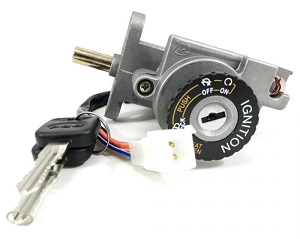
A worn or damaged ignition can prevent the vehicle from starting. Symptoms may include a key that will not turn, a key that becomes difficult to insert or remove, intermittent starting, or an ignition that no longer operates normally.
The problem can involve the mechanical ignition lock cylinder, electrical ignition switch, key, or another part of the starting system. Proper diagnosis is important before replacing components.
Faulty Starter Motor
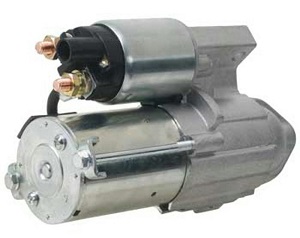
The starter motor turns the engine during starting. If the starter or its electrical circuit fails, the engine may not crank.
A clicking sound can sometimes accompany a starter or battery problem, but the sound alone does not prove that the starter motor has failed. Battery condition, terminals, cables, and starter connections should also be considered.
Clutch, Brake or Safety Switch
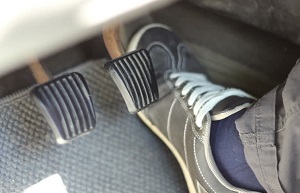
Many vehicles require a particular starting condition before the starter is enabled. A manual-transmission vehicle may require the clutch pedal to be fully depressed, while an automatic vehicle may require the brake pedal and the correct transmission position.
A defective clutch switch, brake switch, or neutral-safety system can also interfere with starting.
Fuel & Engine Problems
If the engine cranks normally but does not start, the problem may involve fuel delivery, ignition, engine timing, or another engine-management system.
Empty Fuel Tank
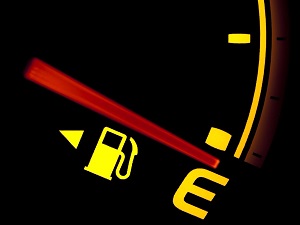
An empty fuel tank is an obvious cause that can still be overlooked. Do not rely entirely on the estimated remaining driving range displayed by the vehicle. If the fuel level is extremely low, confirm that the vehicle actually has enough fuel before pursuing more complicated causes.
Clogged Fuel Filter

The fuel filter helps prevent contaminants from reaching the engine. A severely restricted fuel filter can interfere with proper fuel delivery and contribute to poor engine operation or starting problems.
Fuel Pump or Relay Problem
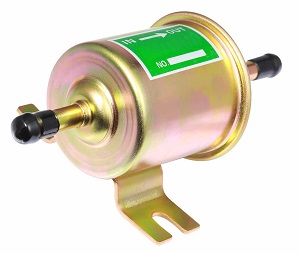
The fuel pump supplies fuel to the engine. A failed pump, relay, fuse, electrical connection, or related component can prevent adequate fuel delivery.
A no-start condition involving the fuel system should be properly diagnosed rather than replacing the pump based only on the fact that the engine will not start.
Faulty Fuel Injector
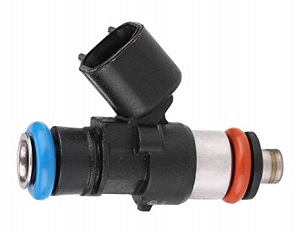
Fuel injectors deliver fuel to the engine. Electrical faults, contamination, or mechanical problems affecting the injection system can contribute to rough operation, misfires, or starting problems.
Spark Plug or Ignition Problem
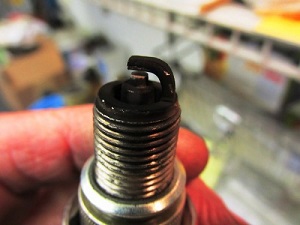
The engine requires proper ignition as well as fuel. Worn spark plugs, damaged ignition components, or electrical problems within the ignition system can contribute to an engine that cranks but does not start or runs poorly.
Timing Belt Problem
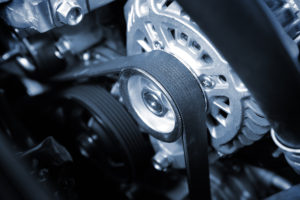
The timing system keeps critical engine components synchronized. A damaged or failed timing belt can prevent the engine from operating and, on some engines, can result in serious internal damage.
Timing-belt replacement intervals vary by vehicle and engine, so the manufacturer's maintenance schedule should be followed rather than relying on one mileage interval for every vehicle.
Engine Cranks but Car Won't Start
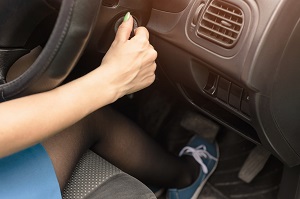
If the starter is turning the engine at a normal speed but the engine does not begin running, the battery and starter may not be the primary problem.
Possible causes include:
- Empty fuel tank
- Fuel-delivery problem
- Faulty fuel pump or relay
- Restricted fuel filter
- Fuel-injection problem
- Spark or ignition-system problem
- Engine timing problem
- Sensor or engine-management fault
- Immobilizer or electronic key problem on some vehicles
Diagnostic trouble codes and other tests may be necessary to identify the actual cause.
What If Your Car Won't Crank?
If nothing happens when you attempt to start the vehicle, or the starter does not turn the engine, concentrate first on the starting and electrical systems.
Possible causes include:
- Discharged or failed battery
- Loose or corroded battery terminals
- Damaged battery cables
- Faulty starter or starter circuit
- Clutch or neutral-safety switch problem
- Ignition-switch problem
- Unrecognized electronic key
- Smart-key detection problem
The exact symptoms matter. A completely dead electrical system, a single click, rapid clicking, or normal dashboard lights with no starter response can point toward different areas for diagnosis.
Car Won't Start and Makes a Clicking Noise
A clicking noise during an attempted start frequently indicates that the starter circuit is being activated but the engine is not cranking normally.
A weak battery is one possible cause. Loose or corroded battery connections can also restrict current to the starter, while a starter or starter-solenoid problem can produce similar symptoms.
Check the battery condition and cable connections before assuming that the starter itself must be replaced.
Lights Work but Car Won't Start
Dashboard lights or headlights working does not prove that the battery has enough power to start the engine. Lights require much less current than the starter motor.
If the lights work but the engine does not crank, possible causes include a weak battery, poor battery connection, starter problem, safety-switch problem, ignition problem, or electronic starting authorization issue.
If the engine cranks normally while the lights remain on, investigate fuel, ignition, immobilizer, and engine-management causes instead.
Battery Is Good but the Car Won't Start
If testing confirms that the battery is charged and capable of supplying sufficient starting current, the next step depends on whether the engine cranks.
If it does not crank, possible areas include the starter, ignition switch, wiring, safety switches, or electronic key authorization. If it cranks normally, the problem may involve fuel delivery, spark, engine timing, sensors, or another engine-management system.
A diagnostic scan may reveal stored error codes, but a trouble code should be considered part of the diagnosis rather than automatic proof that a particular component needs replacement.
Instrument Panel & Warning Lights
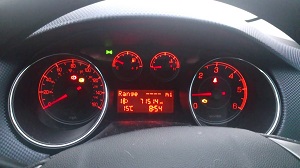
Pay attention to the instrument panel when the vehicle refuses to start. Battery, engine, security, key, or other warning indicators may provide useful information about the affected system.
Modern vehicles can store diagnostic trouble codes in their electronic control modules. A compatible diagnostic scanner can retrieve supported codes and provide additional information for diagnosis.
Maintenance, Batteries & Extreme Weather

Extreme temperatures can affect battery performance and battery life. Cold conditions can reduce available starting power, while prolonged heat can accelerate battery deterioration.
Regular vehicle maintenance can reduce the likelihood of some no-start conditions. Follow the manufacturer's recommended maintenance schedule and pay attention to changes in starting speed, warning lights, battery condition, unusual noises, and ignition operation.
Before a long trip, check important basics such as fuel level, battery condition, tires, fluids, and whether your primary and spare keys are working correctly.
Car Won't Start FAQ
What is the most common reason a car won't start?
A discharged or weak battery is a common cause, but a no-start condition can also involve the starter, battery connections, key or immobilizer, ignition system, fuel system, or engine.
Why won't my car start if the lights work?
The battery may have enough power for lights but not enough current to operate the starter. Battery connections, the starter circuit, ignition system, and other starting components can also cause this symptom.
Why does my car click but not start?
A weak battery, poor electrical connection, or starter problem can produce clicking during an attempted start. The battery and its connections are common places to begin diagnosis.
Why does the engine crank but not start?
If the engine cranks normally, possible causes include insufficient fuel delivery, ignition or spark problems, engine-management faults, timing problems, or an immobilizer issue.
Can my car key cause the vehicle not to start?
Yes. On vehicles equipped with an immobilizer, an incorrect, damaged, incompatible, or improperly programmed transponder key may prevent the engine from starting even when the blade turns the ignition.
Can a dead key-fob battery prevent the car from starting?
A weak fob battery can interfere with normal smart-key operation. Many vehicles provide a backup method for detecting the key when its battery is weak, but the procedure differs by manufacturer and model.
What if my key won't turn in the ignition?
Check whether steering-wheel pressure is preventing the ignition from turning. If the correct key remains difficult to insert or turn, the key or ignition lock may be worn or damaged. Avoid forcing the key because it can cause additional damage.
